



HR / Employment Law News

Home / HR / Employment Law News

HR / Employment Law News

Reasons to consider hiring temporary staff this summer!

Summer is officially here! But as the nation basks in record breaking temperatures, potential staff shortages could put a dampener on employers enjoying the hot weather. With an influx of annual leave…

HR / Employment Law News

What is outplacement and why should employers consider it?

Outplacement is an employer sponsored benefit which provides a pathway for outgoing employees affected by redundancy. It helps affected employees transition into the job market or retirement and helps to facilitate acceptance…

HR / Employment Law News

Do not let an underpayment of wages ruin the holiday mood!

With the cost of living soaring there has been an increase in the number of employees challenging their employers in tribunals over holiday pay.  An underpayment in holiday pay will usually amount…

Bumping Redundancy Blogs, HR / Employment Law News, Redundancy Law

Managing redundancy: What you need to know

According to a new ACAS survey of British businesses, almost 1 in 5 employers expect to make redundancies in the next year, with large businesses more affected than SMEs. Managing redundancy can…

HR / Employment Law News

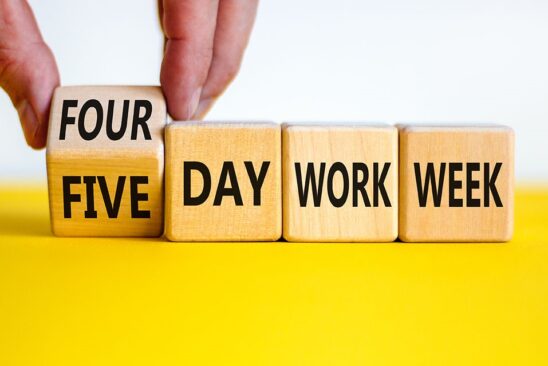
Will a 4-day week make us more productive?

The Coronavirus pandemic impacted all our lives considerably and, among other things,  resulted in a permanent shift towards hybrid working for many employers. As we return to a ‘new normal’, some employers…

HR / Employment Law News

National Minimum Wage: Are you getting it right?

Paying in equal instalments? Deducting for goods purchased? Check your practices are compliant with the National Minimum Wages Regulations. And of course, think about the upcoming pay rise! With the cost of…

HR / Employment Law News

Pimlico Plumbers taken to the cleaners over holiday pay

Smith v Pimlico Plumbers Ltd [2021] CA The facts of the case Mr Smith worked for Pimlico Plumbers between 2005 and 2011. For much of that time he was considered “self-employed”. In…