
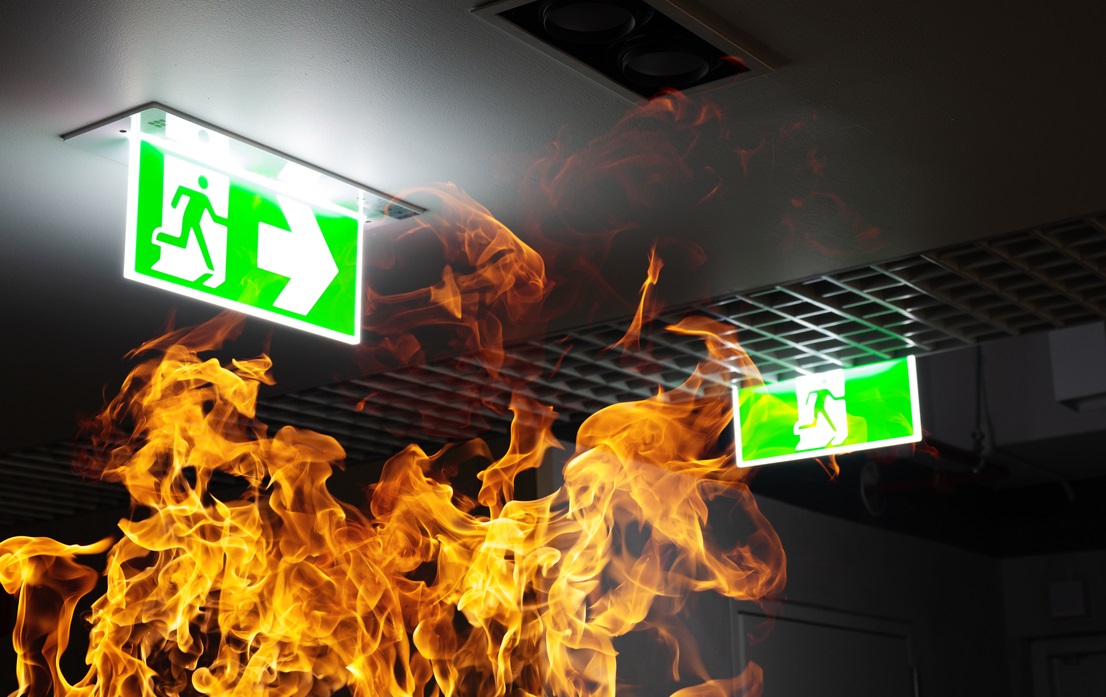
Understanding who needs a fire risk assessment, ensuring it is carried out by a competent person and recognising the consequences of failing to have one are all essential steps in maintaining safe, legally compliant workplaces. In this guide, we explore these key aspects to help you better understand your responsibilities and the importance of effective fire risk management.
What is a Fire Risk Assessment?
A fire risk assessment is one of the key legal requirements for those responsible for non-domestic premises in the UK. The government provides guidance on fire risk assessments for businesses and other non-domestic premises. It is a systematic review of a building to identify potential fire hazards, evaluate the risks and determine what measures are needed to reduce the likelihood of a fire and ensure people can escape safely if one occurs.
The assessment should consider important fire related factors, including (but not limited to):
- Fire hazards, such as sources of ignition
- Who may be at risk, particularly any vulnerable individuals or groups
- Fire detection and warning systems
- Means of escape and emergency exits
- Firefighting equipment
- Emergency procedures
- Staff training and fire safety arrangements
The findings of the fire risk assessment should be recorded and reviewed regularly. It is common for many organisations to review their fire risk assessments annually, although it is important that an assessment should be reviewed sooner if there are significant changes to the building, its use, occupancy or any other factor that could affect the contents of the assessment.
Who Needs a Fire Risk Assessment?
Understanding who needs a fire risk assessment is an important part of meeting your fire safety responsibilities. Under the Regulatory Reform (Fire Safety) Order 2005, non-domestic premises in England and Wales must have a suitable and sufficient fire risk assessment. In Scotland, similar duties apply under the Fire (Scotland) Act 2005 and the Fire Safety (Scotland) Regulations 2006 which require duty holders to assess fire risks and implement appropriate fire safety measures.
Some examples of premises where a fire risk assessment would be required include:
- Offices
- Factories and warehouses
- Retail premises
- Schools and colleges
- Restaurants, pubs and hotels
- Care homes and healthcare premises
- Houses in Multiple Occupation (HMOs) and the common areas of residential buildings
- Commercial units and industrial premises
The legal responsibility sits with the Responsible Person (or ‘Duty Holder’ if in Scotland). This is usually:
- The employer
- The owner of the premises
- The landlord or managing agent for shared areas
- Anyone who has control of the premises or part of the premises
It is not uncommon for more than one person to have responsibilities under fire safety legislation. In these circumstances, those responsible have a duty to ensure they cooperate and coordinate with one another to ensure fire risks are properly managed.
Who Can Carry Out a Fire Risk Assessment?
Although the Responsible Person is legally required to ensure a fire risk assessment is carried out, that does not mean they have to complete it themselves.
The person carrying out the fire risk assessment must be competent to do so. This includes having sufficient training, knowledge and experience to identify fire hazards, assess the risks and recommend appropriate control measures. Health & Safety training can help ensure employees and those with responsibility for fire safety understand their duties. EML’s Health and Safety advice can also provide practical guidance.
A poor-quality fire risk assessment can leave significant hazards unidentified, resulting in inadequate fire precautions and increasing the risk to all those affected. It can also leave the person with legal responsibility for the premises exposed to enforcement action if the assessment is found to be unsuitable, as they remain legally accountable for ensuring it is suitable and sufficient, even where it has been completed by an external consultant.
What Happens if You Don’t Have a Fire Risk Assessment?
Fire safety legislation is enforced by the relevant Fire and Rescue Authority, who have powers to inspect premises, issue enforcement notices and prosecute those who fail to comply with their legal duties. Failing to comply with fire risk assessment legal requirements and wider fire safety legislation can result in serious consequences, such as:
- Increased risk of injury or loss of life
- Enforcement notices requiring improvements within a set time scale or restricting the use of the premises
- Criminal investigation and prosecution (including potential imprisonment in the most severe cases)
- Significant legal costs and management time
- Unlimited fines
- Disruption and reputational damage
These consequences can often be avoided by ensuring you have a suitable and sufficient fire risk assessment in place, implementing any actions identified and regularly reviewing the assessment to ensure it remains suitable for your premises and activities.
Getting the Right Support
A fire risk assessment should not simply be treated as a paperwork exercise. It should provide a clear understanding of the fire risks within your premises and ensure appropriate measures are in place to protect employees, visitors and anyone else who may be affected.
Whether you are arranging your first fire risk assessment, reviewing an existing one or need advice on your fire safety responsibilities, ensuring the assessment is carried out by a competent person is essential to achieving compliance and keeping people safe. If you would like support with fire risk assessment legal requirements, fire risk assessments or wider fire safety compliance, EML can help. Contact us about your fire risk assessment needs on 01942 727200 or email enquiries@employeemanagement.co.uk to speak to a qualified consultant.