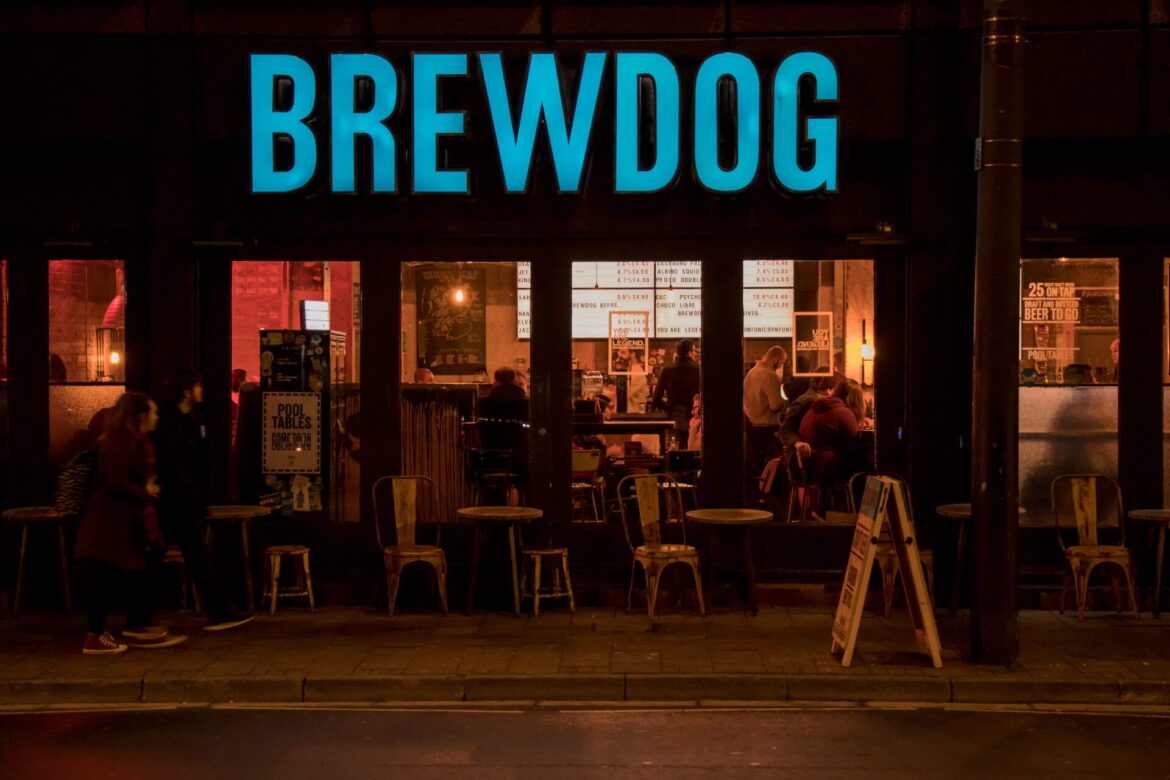
Following 5 consecutive years of losses, craft beer brand BrewDog became insolvent on 2 March 2026 and has been acquired by US company Tilray Brands. Under the pre-pack administration sale, 38 UK bars were immediately closed, nearly 500 roles were made redundant and over 700 roles were transferred to the new owners.
Employees received 25 minutes’ notice of a 15-minute call that ended their employment and the handling of the redundancies has drawn significant attention from both media and unions who have criticised the communication and speed at which staff were informed.
Employment Law Considerations
Any redundancy situation highlights several key UK employment law considerations:
- Failure to collectively consult can result in a protective award of up to 90 days’ pay per employee and may also lead to claims for unfair dismissal or failure to consult
- Inadequate notice can expose employers to breach of contract claims
- Statutory redundancy pay for employees with more than 2-years’ service
- TUPE considerations when an entire business or service is transferred
- Impact on employer brand and staff morale shouldn’t be underestimated
When a company ceases trading like in BrewDog’s situation, affected employees who are unable to recover statutory payments directly from the company can claim through the Redundancy Payments Service which is funded by the National Insurance Fund (NIF). However, employees can only recover a fraction of potential awards compared with what they might receive if the business was still solvent and liable for claims:
- Up to 8 weeks’ arrears of pay (currently capped at £719)
- Holiday pay
- Up to 6 weeks’ notice pay
- A statutory redundancy payment (currently capped at £719 pw and £21,570 overall)
- A protective award
A notable absentee from the above list is compensation that could arise from a successful discrimination claim. While such claims can technically be made against the insolvent estate, they rank alongside other unsecured debts and are unlikely to be fully recovered, it at all.
If any BrewDog employees were dismissed solely due to the transfer to Tilray, they could bring automatically unfair dismissal claims against Tilbury as liability for such claims typically passes to the buyer. That said, BrewDog could still have made redundancies for a valid economic, technical or organisational (ETO) reason, meaning Tilray will need to ensure the dismissals were procedurally and substantially fair.
Key Takeaways for Employers
- Plan early – Check legal consultation thresholds and redundancy entitlements before communicating with employees
- Reduce conflict – Involve employee representatives and unions (where relevant)
- Document the process – Keep clear records, alternatives and steps taken to protect against claims
- Manage TUPE – Identify roles and operations that can be transferred under TUPE and manage appropriately
- Employer reputation – Combine legal compliance with compassion when communicating with employees to help safeguard your brand
The BrewDog case serves as a stark reminder that legal compliance and a fair redundancy process must go hand in hand when managing large-scale redundancies. To ensure compliance and mitigate risk in this regard, EML can assist employers navigating complex redundancy, TUPE and insolvency situations before proceedings commence. Get in touch on 01942 727200 or email enquiries@employeemanagement.co.uk to see how we can help.